


Building the Nursing Workforce Starts Close to Home


Healthcare organizations continue to face a critical challenge: finding qualified nurses who not only have the necessary clinical skills but also understand the people and communities they serve. Addressing that challenge may require leaders to rethink what the traditional path into nursing looks like—and who should be encouraged to pursue it.
One increasingly important part of the solution is the adult learner.
Many people begin their careers in one field only to discover years later that they want work with greater purpose, stability, or connection to their community. For those individuals, nursing can offer an opportunity to make a career change while filling an essential workforce need.
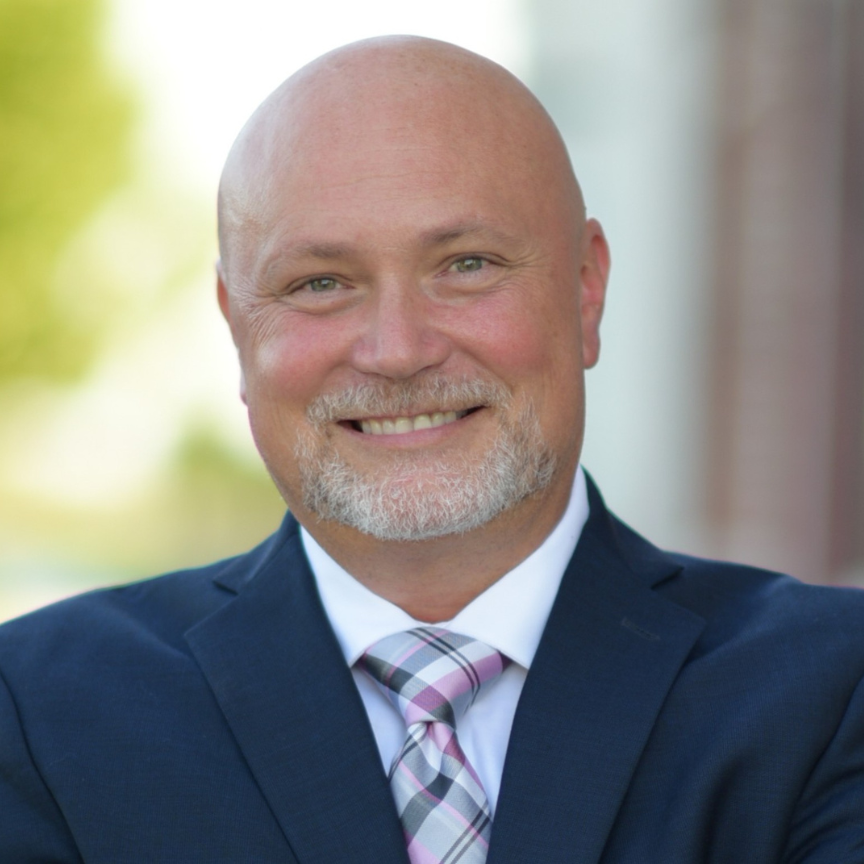
On Episode #32 of the PinLeader Podcast, Dr. Greg Guzman, Vice President of Financial Aid Services and Government Liaison for Hondros College of Nursing, explained how he sees significant potential in developing talent that already exists within communities.
Healthcare organizations, he explained, are looking for “local individuals”—people who are already neighbors, colleagues, friends, and active members of the communities where care is being provided.
That local connection can bring something to healthcare that cannot always be taught in a classroom: perspective.
Employers still need nurses with strong technical abilities, but Guzman emphasized another quality organization's value: “an empathetic nurse.” Adult learners often bring years of professional and personal experiences into their education. They may have raised families, cared for loved ones, worked in other industries, overcome challenges, or experienced the healthcare system themselves.
Those experiences can strengthen their ability to communicate, understand patients, and recognize the human side of healthcare.
For organizational leaders, this creates an opportunity to rethink workforce development. Instead of waiting until nursing students graduate to begin recruiting, employers can build relationships earlier. Tuition assistance, partnerships with nursing schools, internships, mentorship, and commitments to employ students after graduation can help organizations develop their own talent pipelines.
Education also remains an important gateway. Guzman describes higher education as a powerful vehicle for changing lives, something he experienced personally after receiving financial assistance that helped him attend college. That experience ultimately shaped his career helping others access education.
And for leaders working in education or workforce development, Guzman believes the foundation is simple: “It typically begins with passion.”
Solving workforce shortages is not only about filling positions. It is about creating pathways for people to discover new possibilities, supporting them as they develop, and recognizing the talent that may already exist within our own communities.
What could your organization do differently to identify, develop, and invest in the people who could become tomorrow’s workforce?
Presented by ROAR Productions, The PinLeader™ Podcast is an interview format show hosted by Mays and Associates, Ltd. President & CEO Dr. Shanda Gore, that provides effective tips to those who are currently leaders or have a desire to become leaders. A new episode is released every Wednesday.


